

Leo Bay, an American doctor, and his family are preparing to move from their residence in Utah to Canada. “It’s a significant change, but it’s an exciting one,” Bay expressed. They have chosen to relocate to the Sunshine Coast in Canada, where Bay will practice as a family physician.
Upon their initial visit to Pender Harbour, the family instantly felt a connection and decided it was the ideal place to settle down. “We instantly fell in love with the Sunshine Coast,” Bay remarked.
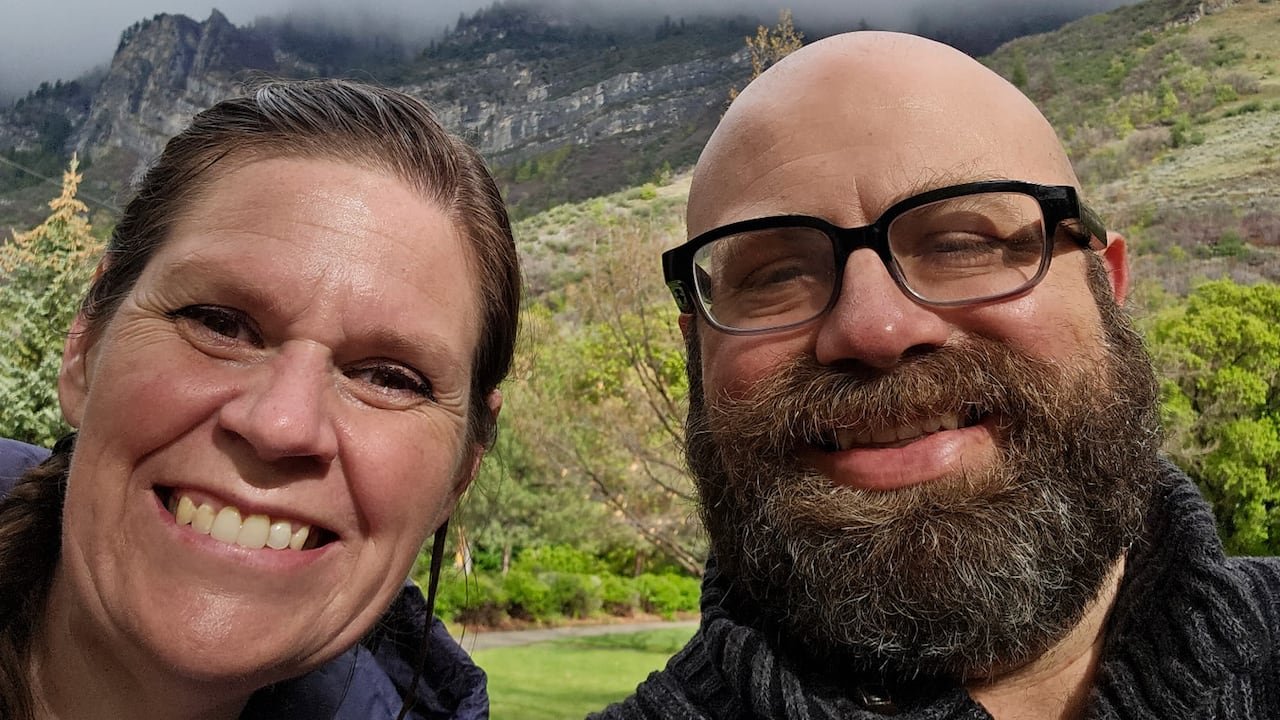
With eight years of medical experience, Bay has previously served remote communities as the associate chief medical information officer for Wisconsin, Minnesota, and North Dakota. In August, he will commence his role at the Pender Harbour Health Centre, catering to around 1,000 residents in the isolated coastal community.
“The chance to reside and work within that community is incredibly exciting and fulfilling,” Bay shared.
Reasons for Choosing Canada
Bay is eager to concentrate on patient care in Canada. “There are numerous aspects of the U.S. healthcare system that primary care physicians struggle with,” he noted. “Insurances in the U.S. provide limited coverage or impose strict restrictions.”
Reflecting on the past, Bay mentioned that considering a move to Canada five years ago seemed disruptive and unattainable.
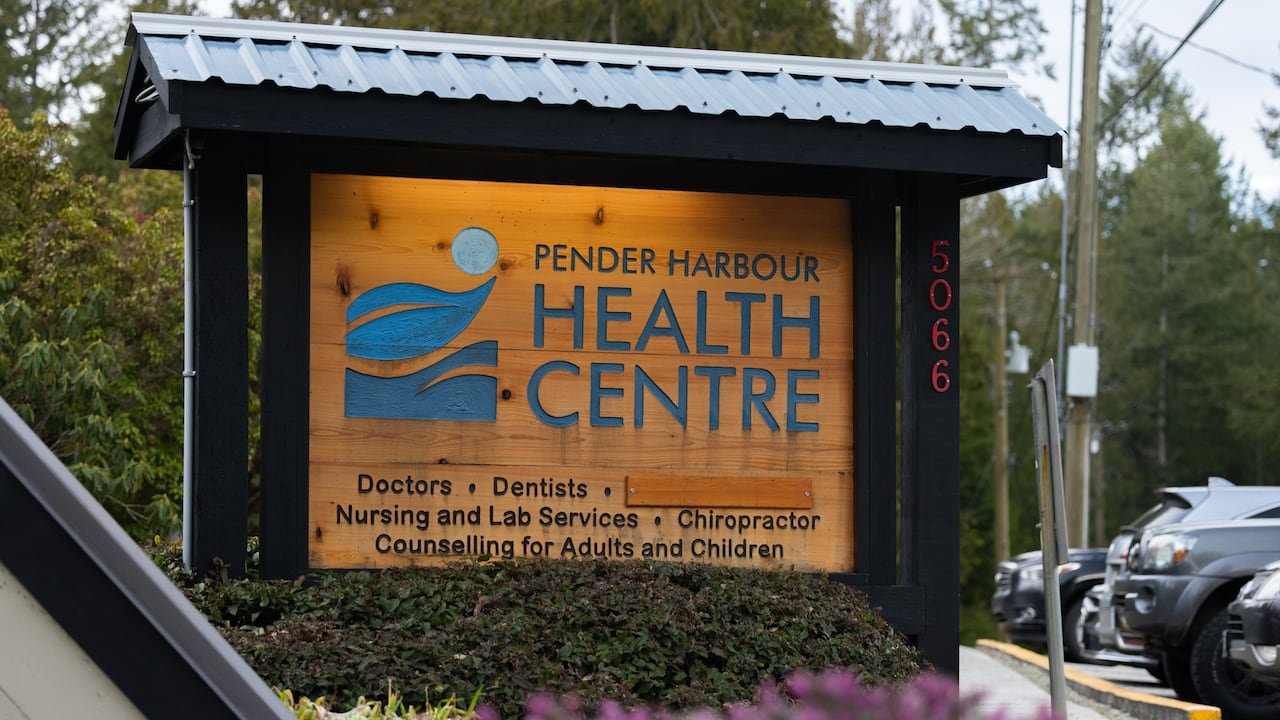
In July 2025, the College of Physicians and Surgeons of B.C. introduced bylaw changes facilitating the licensing process for U.S.-trained doctors in B.C., provided they hold certification from recognized American medical boards.
Furthermore, the Ministry of Health in B.C. launched a $5 million digital advertising campaign in June 2025 to attract health workers from Washington state, Oregon, and California, with advertisements also featured in U.S. academic publications through September.
“The availability of these programs significantly influenced my decision, making it seem feasible,” Bay stated.
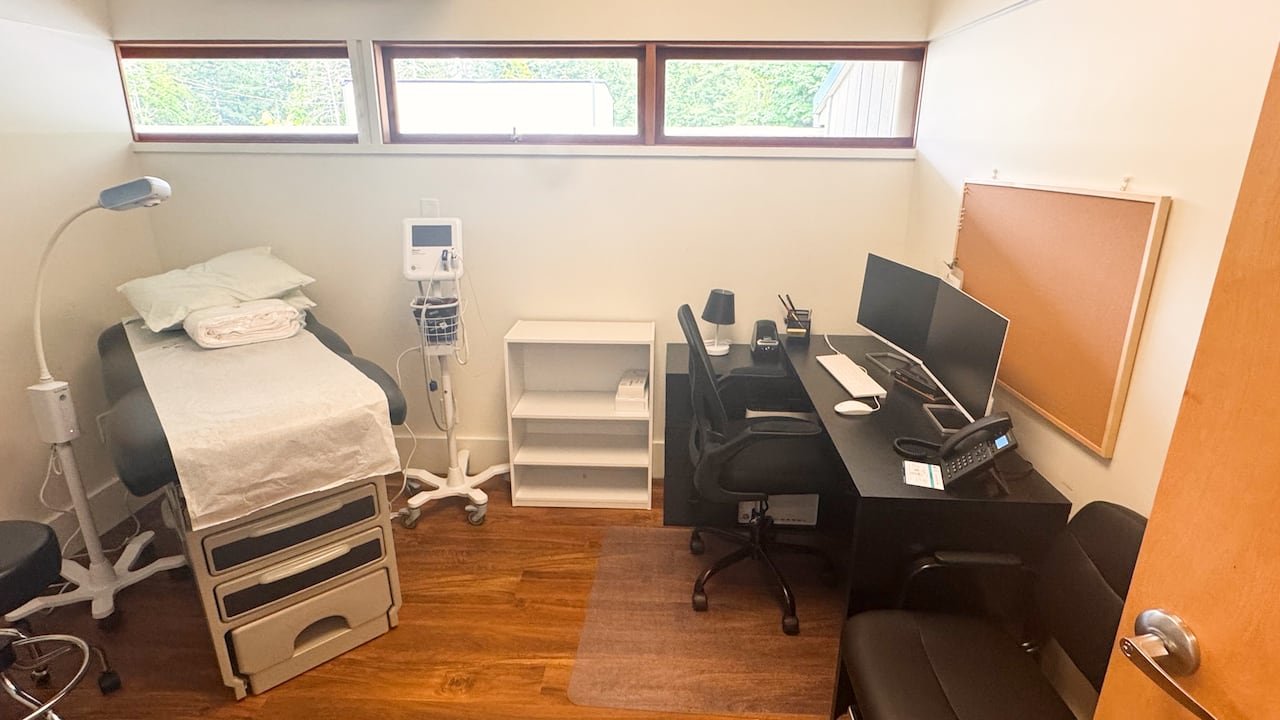
According to the Ministry of Health, over 580 U.S. health-care professionals, including 270 physicians, have accepted positions in various communities across B.C. as of March 2026.
“B.C. currently