

B.C. Premier David Eby expressed that the province is in favor of imposing retaliatory tariffs as tensions with the U.S. escalate, while also encouraging the federal government to explore non-tariff strategies to counteract the harsh American tariffs.
U.S. President Donald Trump has placed 50 percent tariffs on various Canadian products, including certain pulp and paper items, appliances, and dairy products. In response, the federal government has announced retaliatory tariffs set to take effect on September 8.
Considering that B.C. is likely particularly vulnerable to the new U.S. tariffs, Eby expressed his satisfaction on Tuesday with the federal government’s dollar-for-dollar tariff response.
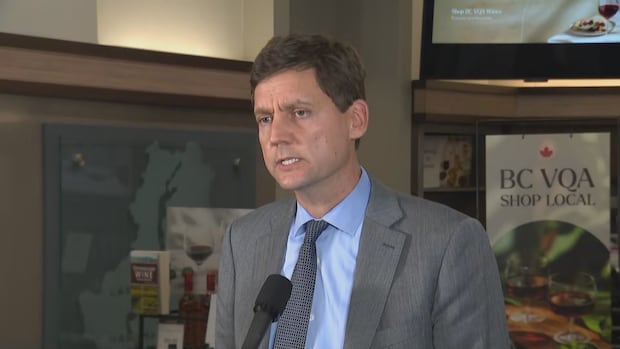
During a press conference in Vancouver, Eby urged Prime Minister Mark Carney to contemplate non-tariff options as the trade conflict intensifies, which could include reevaluating the planned acquisition of fighter jets from the U.S., potentially amounting to billions.
Eby highlighted the export of American thermal coal from a port in Metro Vancouver, suggesting that the federal government should expedite the phase-out of this practice.
“The reason it is shipped from [the port] is that the Americans cannot export it from their own ports; they refuse to transport it themselves,” he stated.
Former B.C. Conservative leader John Rustad previously suggested a tax on U.S. thermal coal shipments as a way to dissuade the White House from implementing tariffs on Canadian softwood lumber.
“I will present those ideas to the prime minister,” Eby noted.
“Nevertheless, our commitment to collaborate closely with the federal government as part of a unified national strategy to address this unwarranted assault on our nation and province remains unchanged.”

B.C Premier David Eby is seen purchasing a bottle of B.C. wine at a provincial liquor store on Tuesday. American alcohol has been off provincial shelves for over a year due to the trade war, and Eby urged residents to consider buying local. (Ben Nelms/CBC)
Eby encouraged British Columbians and Canadians to support local products in light of the trade conflict, stating that “being our own best customer” would benefit residents from coast to coast.
“If you have options, please avoid traveling to the United States. Opt for other destinations for tourism. If you can choose a Canadian product over an American one, please do so,” he urged.
Officials indicate that Canadian counter-tariffs will focus on the same products that the Trump administration targeted when imposing Section 338 and 232 tariffs on Canada.
The complete list of over 700 affected products is available online.
-
Ottawa’s counter-tariffs find broad support in Canada as businesses brace for trade war impact
-
Federal ministers announce support for Canadians, counter-tariffs against U.S.
The premier mentioned that while the federal government’s backing for Canadian workers is a “promising beginning,” the specifics of how employment insurance support and loans would be implemented for small and medium enterprises are crucial.
B.C. Federation of Labour president Sussanne Skidmore also characterized the support measures introduced by the provincial and federal governments as a solid starting point.
She emphasized that any governmental assistance to businesses should be contingent on the preservation of jobs.
“Ensuring job retention must be the primary focus for any business support the government offers,” she remarked.