

Whether you’re a gamer or not, it’s nearly impossible to overlook Grand Theft Auto VI, the latest installment from the immensely popular and often controversial video game series.
With massive billboards, takeovers of subway stations, and sports venues to excited fans, the new release has made a significant splash in public awareness just in time for North America’s holiday season.
It maintains the series’ tradition of inciting debate with its adult themes, which often enhances the game’s illicit appeal — especially among younger audiences. Experts provide insights for parents and strategies for managing the game’s launch with younger players.
Explicit content, no doubt
Grand Theft Auto VI centers around a duo engaged in criminal activities. This game is intended for adults.
The Entertainment Software Rating Board categorizes it for individuals aged 17 and over due to its “blood and gore, intense violence, mature humor, nudity, strong language, explicit sexual content, and depiction of drugs and alcohol.”

Besides the expansive, lifelike environment, the newest Grand Theft Auto title largely follows a familiar structure with some clever enhancements — and for the vast majority of gamers, it’s precisely what they have been anticipating, according to CBC video game reviewer Jonathan Ore.
Dr. Tyler Black, a child and adolescent psychiatrist from the University of British Columbia, suggests that parents should evaluate the game similarly to how they would assess movies or TV shows.
“It will include explicit drug use and real-life criminal behavior… It’s definitely a game that is far too mature for prepubescent children,” he remarked.
However, he noted that if parents are comfortable with their teenagers watching an R-rated film or a mature series like HBO’s Euphoria, they might find it acceptable for them to play GTA VI.
Initially, the game will be a single-player experience. However, GTA‘s widely acclaimed online multiplayer mode — a shared environment where players interact with both friends and strangers — is anticipated to follow, which presents another consideration for parents, according to Jasmine Hood Miller, director of family resources at Common Sense Media, a non-profit organization in the U.S. that offers reviews and advice regarding media and technology in children’s lives.
“In a game designed for adults, this implies that teens may find themselves playing alongside adult strangers without much moderation or parental oversight,” Miller explained from Philadelphia.
Parental controls have their limits
Of course, parents aren’t obligated to purchase the game and can utilize parental control features to prevent GTA VI from being accessed on their household’s PlayStation or Xbox.
Nevertheless, considering the significant cultural influence this game is likely to have, Black suggests that these measures would only provide a limited safeguard. He pointed out that even without owning the game, children might still come across GTA VI content at friends’ homes, through social media, or while watching videos from popular YouTubers or Twitch streamers.
“Everyone will be discussing it. There will be countless memes about it. So it’s less about whether it exists in your child’s environment and more about how you will assist them in understanding it,” he stated.
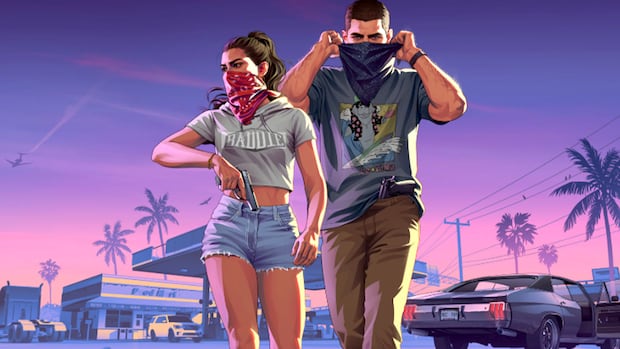
Gamers in Canada and across the globe are celebrating the conclusion of a 13-year wait as Grand Theft Auto VI finally arrives to enthusiastic reviews. This highly controversial video game is projected to earn billions by the end of this year.
Miller also recommends that parents engage in conversations with their children: inquire about what they have seen, heard, or felt regarding the game and, if they are eager to play, delve into their motivations for wanting to do so. She emphasizes the importance of discussing concerns and the values of the family during these dialogues.
Another suggestion? Connect with other parents about their approaches, which could help mitigate the kids’ FOMO — fear of missing out — if they cannot play, she advised.
For parents who ultimately opt for a “no,” it may be helpful to present it as “not yet,” allowing for a revisit of the discussion later.
Stay informed and aware
In addition to parents educating themselves — whether through reading about GTA VI or, if suitable, watching gameplay videos with or even playing alongside their children — both experts encourage a greater investment in understanding what children are viewing and doing online.
“It’s crucial for parents to know what kids are watching and consuming,” Black stated, in order to assist them in processing and interpreting what they encounter.
When children participate in sports, he noted, parents are usually well-informed about their performance, statistics, and teammates. Thus, it’s important to give equal attention to their video game activities.
“Parents should be aware of what game [their children are] engaging with, their skill level… who they are playing with, and all those related details,” Black advised.
“Parents often fall into the trap of letting the child play video games alone, which is not advisable for a title like GTA.