

Ubisoft has confirmed that it will be laying off 166 employees from its studios in Montreal and Quebec City, as announced on Thursday.
Antoine Leduc-Labelle, Ubisoft’s head of public relations, stated to Radio-Canada that 128 jobs will be cut in Montreal, while 38 positions in Quebec City will also be eliminated, representing less than four percent of the total Canadian workforce at the company.
The layoffs will affect production teams and some support staff, as indicated by a company representative.
According to Ubisoft, the decision was made due to evolving production requirements, aimed at aligning resources with present production priorities and business demands.
The impacted employees will receive assistance, including severance packages and career transition support, as per the company’s statement.
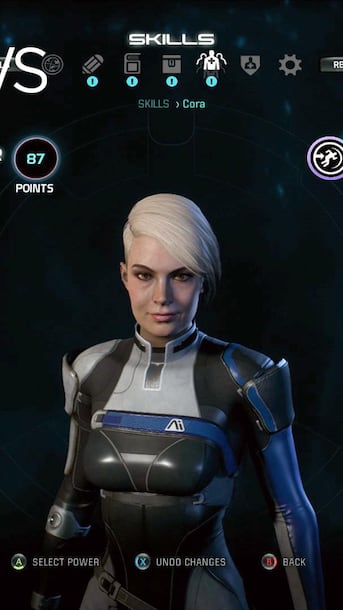
After more than three decades in business, Edmonton-based video game developer BioWare is shutting down. The closure is part of a series of layoffs at Electronic Arts, BioWare’s parent company. For more on their legacy, CBC spoke with people who worked at the company, and on its iconic game Mass Effect.
“We greatly appreciate the efforts of these teams and understand the significant impact this decision may have on our colleagues. We are dedicated to providing them with support throughout this process in a respectful manner,” stated a Ubisoft spokesperson in a French-language announcement.
This round of layoffs is not the first for Ubisoft’s Canadian operations this year, nor is it isolated within the wider gaming industry.
Earlier in June, Ubisoft closed its Winnipeg studio, affecting 65 employees there, just four years after the company claimed it intended to expand its Winnipeg workforce threefold by 2030.
-
Gamers, developers praise BioWare’s envelope-pushing games following ‘heartbreaking’ closure
-
Quebec video game industry in limbo as studios cut back
In January, the French gaming company shut down its Halifax studio, resulting in the loss of just over 70 jobs. This move followed the formation of the company’s first union in North America by the Halifax workforce, although Ubisoft attributed the layoffs to cost-cutting measures, asserting that the restructuring efforts began before the unionization initiative.
Recently, last month, Electronic Arts closed its Edmonton-based studio BioWare, resulting in the loss of 50 jobs at BioWare alone and a total of 400 across the company.
During the pandemic, the gaming industry saw significant investments and workforce expansions as consumers had more leisure time for gaming. However, as lockdowns eased and gaming time decreased, some of these substantial investments failed to yield expected returns, according to Brendan Sinclair, a journalist with The Logic who has reported on the gaming sector for over two decades.
“It appears to have diminished in attractiveness for investors, which poses challenges particularly at the upper levels of the blockbuster gaming market where Ubisoft primarily operates,” he noted.

Quebec video game workers protested a mass layoff plan at Xbox-owned Bethesda as the province’s once-thriving industry struggles with slumping sales and profitability.
Developers in the gaming sector have become more cautious, opting to cancel certain projects or make more conservative business choices, as reported by Jean-Jacques Hermans, executive director of La Guilde du jeu vidéo du Québec, representing the province’s gaming industry.
However, he mentioned that there are still new investments coming into Quebec, such as a Hasbro studio opening in Montreal and additional opportunities with NBC Universal. Instead of facing a crisis, he asserts that the gaming industry is adapting to current trends, expressing optimism about the future of Quebec’s gaming sector.
“We will continue to be a leading global hub,” Hermans stated. “However, it is crucial that we gain a clearer understanding of how AI integration and other factors will impact our employment landscape in the coming months and years.”